International visitors explore Berlin in smaller numbers
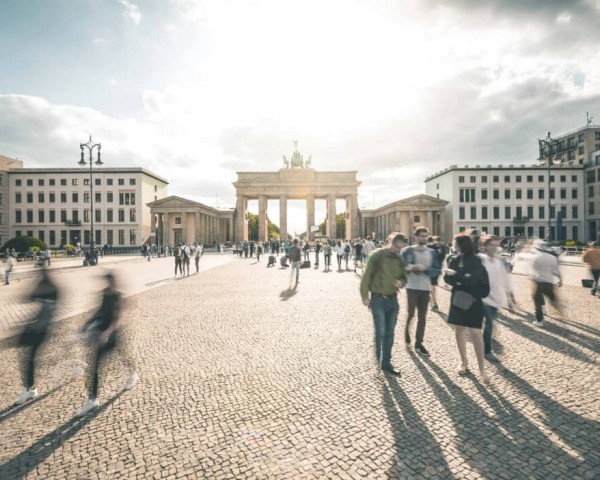
Berlin, the famous and vibrant center of Europe known for its nightlife and historical sites, is not feeling itself this year. As the city celebrates the 36th anniversary of the fall of the Berlin Wall with many events, some recent data paint a less celebratory picture: a decline in tourism.
In the first three quarters of 2025, the German capital welcomed just under 9.2 million international visitors – a decrease of around 3.5% compared to the same period last year. Overnight stays experienced an even steeper decline, falling nearly 4% to 22 million.
The figures, published by the city’s Office for Statistics, suggest that Berlin may be struggling with the consequences of its past success. Last year’s European Football Championship (Euro 2024), which was held across Germany, drew an unprecedented crowd to a spectacular final at Berlin’s Olympiastadion. Fans came from all over Europe, essentially turning the city into one big party. As a visiting Berlin representative put it, reflecting on the boom that now shadows this year’s quiet streets, “It’s been a blockbuster year.”
International visitors lead the way
The decline is most evident among international audiences. International arrivals fell by almost 6%, to around 3.37 million, with a corresponding drop in overnight stays. Domestic tourism, although affected, showed more resilience—a slight decline of 1.5% indicates that Germans still prefer their capital for short breaks and cultural trips.
Analysts suggest a “hangover effect” may be to blame: after the Euro craze, many returning tourists appear to be choosing other destinations this year. Dr Lina Müller, a tourism analyst from the Berlin Institute for Urban Studies, explains that “the championship created an exceptional peak… it’s like the day after a great party – everyone is exhausted, and the standard is set very high.”
However, the Berlin visit earlier highlighted other, more persistent issues that led to the decline. In a statement released earlier this summer, the agency highlighted one of Berlin’s key challenges: insufficient flight connections to markets outside Europe. While the city benefits from strong intercontinental connections, routes to Asia, the Americas, and elsewhere are still somewhat limited. Rising airport fees at Berlin Brandenburg Airport – which are charges levied on airlines – exacerbate the issue. These airport fees have increased ticket prices and reduced demand. The agency said that these problems are not new, but have increased. So far, Berlin has not released any further comment on the latest figures, leaving observers to ponder possible recovery plans.
The silver lining in “Independence Week.”
Nevertheless, Berlin is determined to keep its spirit alive. Currently, the city hosts “Freedom Week”, a special event commemorating the fall of the Berlin Wall on November 9, 1989. The program, which runs until November 15, features nearly 130 events in 80 locations, effectively turning the capital into a living, breathing museum dedicated to the forever.
From academic debates on the end of the Cold War to hands-on workshops focusing on object art, the proposed event reflects Berlin’s diverse personality. Music lovers can enjoy concerts with reunion songs, while theater lovers can watch plays about life divided by the Berlin Wall. Guided tours follow the path of the former wall, bringing first-hand accounts to life, and digital exhibits offer virtual tours of what was once a divided city. Outdoor film screenings and displays of smuggled artifacts complete the program, ensuring that there is something for everyone: history buffs, families and casual visitors.
Organizers hope that the ‘Freedom Week’ will only boost tourism. Early signs are encouraging: hotel bookings in central areas such as Mitte and Prenzlauer Berg rose by around 15% during the event, according to preliminary data from local booking sites. “Events like this remind the world why Berlin remains relevant,” says event coordinator Jonas. Klein observes that the real picture is “the stories that bring people back,” not just the figures.
Determining the way forward
As 2025 draws to a close, those guiding Berlin’s tourism sector face a multi-year challenge: How to capitalize on a city’s exciting cultural appeal while easing operational kinks. Long-haul flights are under discussion, perhaps with Lufthansa and new airlines from the developing world. Meanwhile, projects such as discount green travel bundles are trying to attract budget-minded Europeans worried about rising prices after the pandemic.
Currently, the data offers a caveat: A major attraction cannot indirectly support a city’s attraction. However, with its rich history, innovation, and constant renewal, Berlin has the ability to meet challenges. As “Independence Week” progresses, the key takeaway from the wall’s history may not be division itself, but rather the power of unity — including politicians — to connect what the future holds.


Post Comment